
Research Areas
Glycosylation in cells, samples, and disease, measured with exceptional sensitivity.
-
Every insight we gain refines the picture of glycosylation’s complexity: which glycans decorate which proteins, how glycoforms vary between neighboring cells, and how those differences alter signaling, immune recognition and metastatic behavior. Our platform combines ultrasensitive enrichment and labeling strategies, advanced mass spectrometry, and tailored data analysis to profile glycan composition, site‑specific occupancy and proteoform diversity in individual cells.
Applications span basic and translational research: identifying glyco‑based biomarkers for early cancer detection, revealing glycosylation changes that enable immune evasion, and uncovering targets for glyco‑directed therapeutics. By illuminating the glycan code at single‑cell resolution, we aim to chart the role glycosylation plays in malignant processes and provide actionable molecular maps to guide diagnosis and treatment.
Every cell tells a glyco story. At the SUGAR Lab, we listen with tools sensitive enough to hear the smallest, most consequential details.
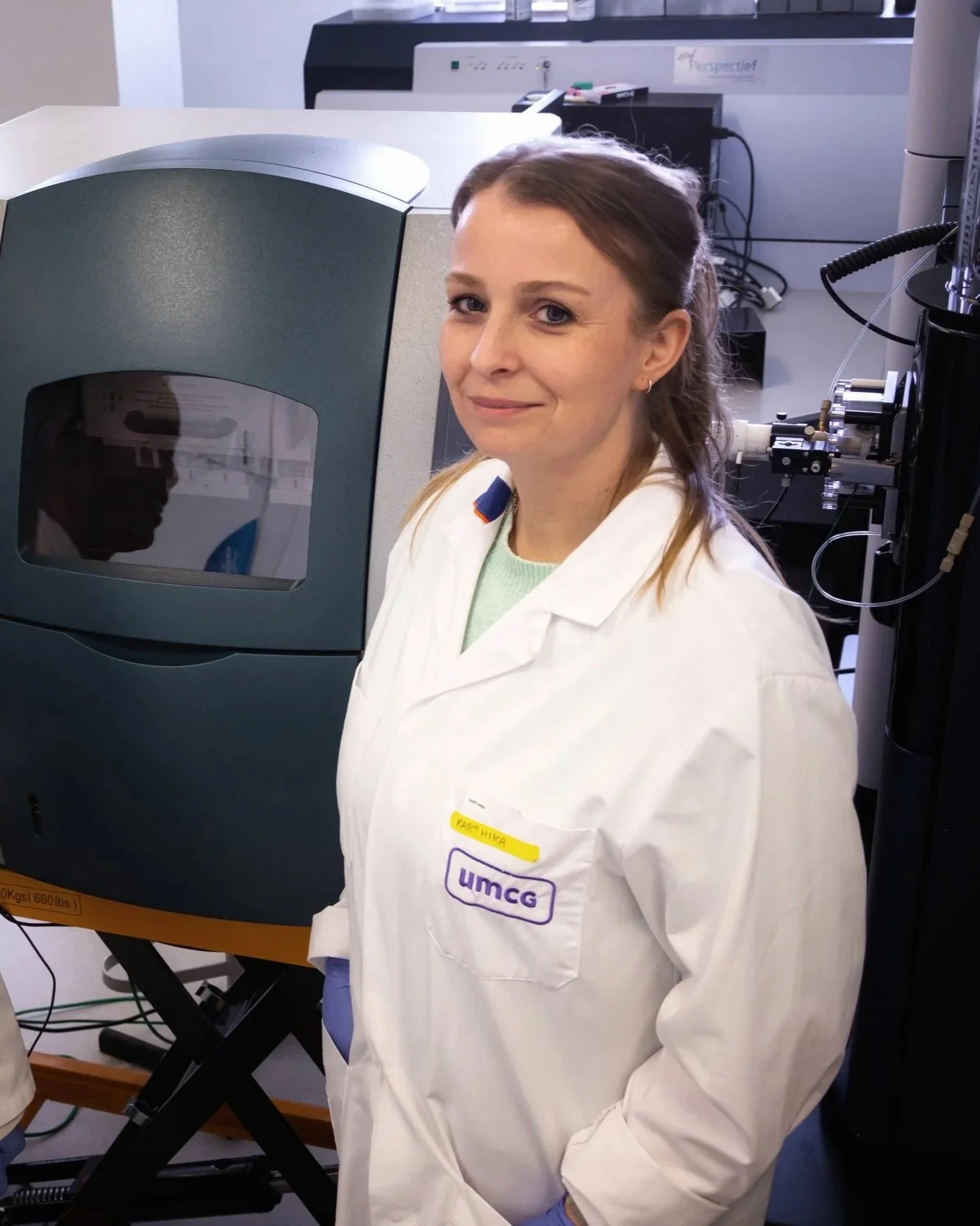
We study glycosylation across cells, biofluids, and tissue-derived material, with oncology as a key application area and broader disease biology in view. Our work connects analytical innovation to biological interpretation, so glyco(proteo)mics becomes an actionable readout rather than a descriptive layer.
We develop workflows that work in real biological matrices, ranging from cell culture and cell-derived material to plasma/serum, tissue-derived samples, and purified proteins. The goal is to preserve biological meaning while handling heterogeneity, limited material, and matrix effects.
Glycosylation captures pathway activity and disease-associated remodeling that abundance-only measurements can miss. We apply platform-enabled glyco(proteo)mics to biomarker and translational questions, especially in oncology, and also in other disease settings where glycosylation is biologically informative.
Our core expertise is developing and applying high-sensitivity separation–MS workflows, with CE–MS as a central pillar and complementary approaches for throughput, isomer resolution, and spatial context. These platforms are designed to deliver interpretable structural detail from challenging samples.
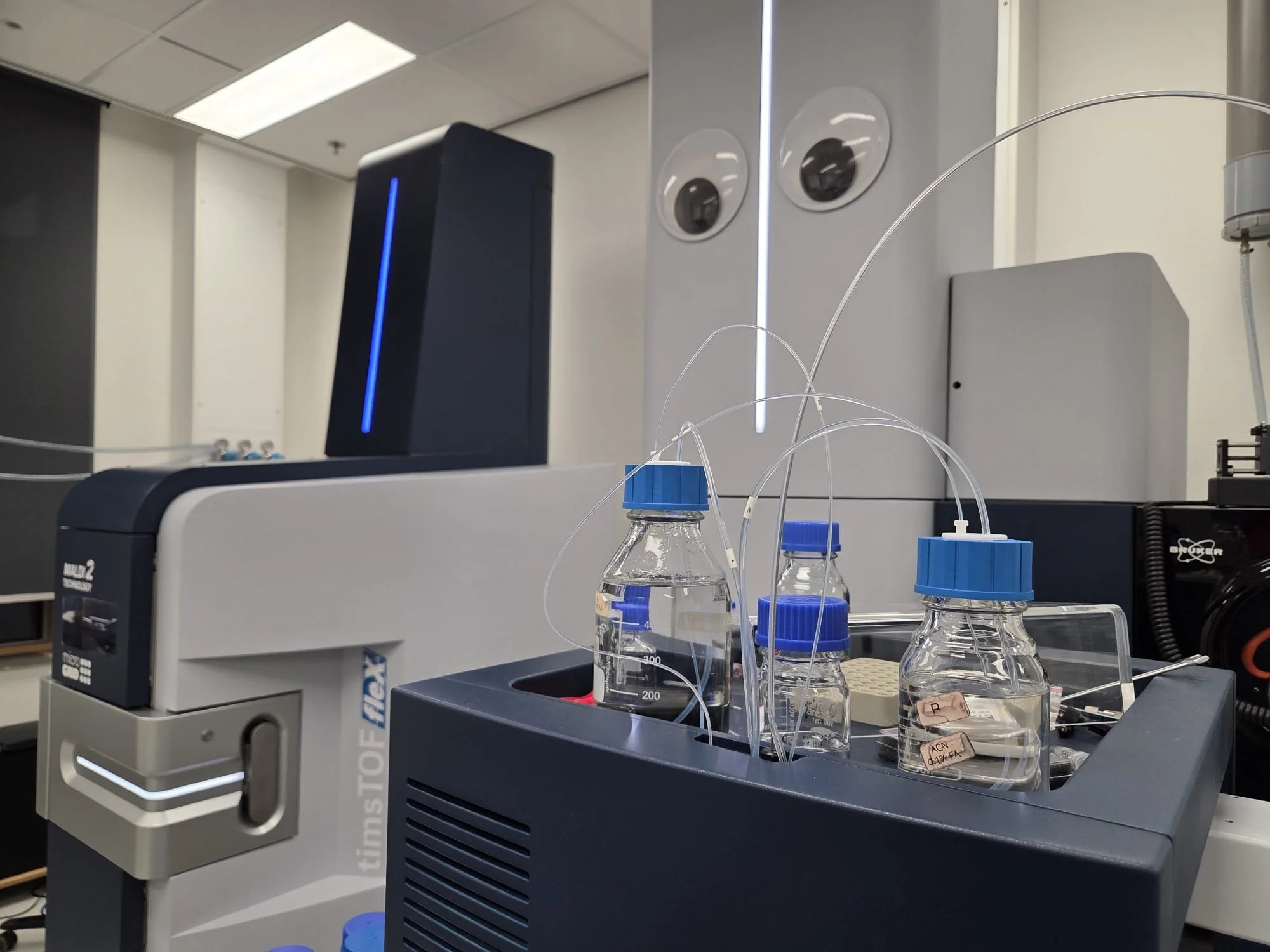
Modern glyco(proteo)mics produces rich datasets—valuable, but often bottlenecked by processing and interpretation. We develop reproducible workflows and tools (including GlycoGenius) to make analysis scalable, transparent, and aligned with study design.
Together, these pillars let us connect molecular detail to biological meaning, where bulk averages fall short.
Glycosylation is expressed through real biological context, cell state, microenvironment, and matrix. We develop and apply workflows that work across a broad range of sample types, enabling glycosylation-informed readouts that remain interpretable in complex biology.
What we measure
Glycomics: glycan compositions and patterns that reflect biological state
Glycoproteomics: glycans on proteins (including site-specific information where applicable)
Targeted assays: protein-of-interest workflows to connect glycoforms to function and disease context
Sample types we work with
Cell culture and cell-derived material
Clinical/biological matrices such as plasma/serum
Tissue and tissue-derived samples (where appropriate for the question and workflow)
Purified proteins and protein-focused studies (e.g., for assay development or mechanistic work)
How we measure
Our lab is known for high-sensitivity workflows built around advanced separation–MS strategies (including CE–MS/MS, fit-for-purpose sample preparation, and careful quality control, designed for challenging matrices and limited material.
Biological Samples
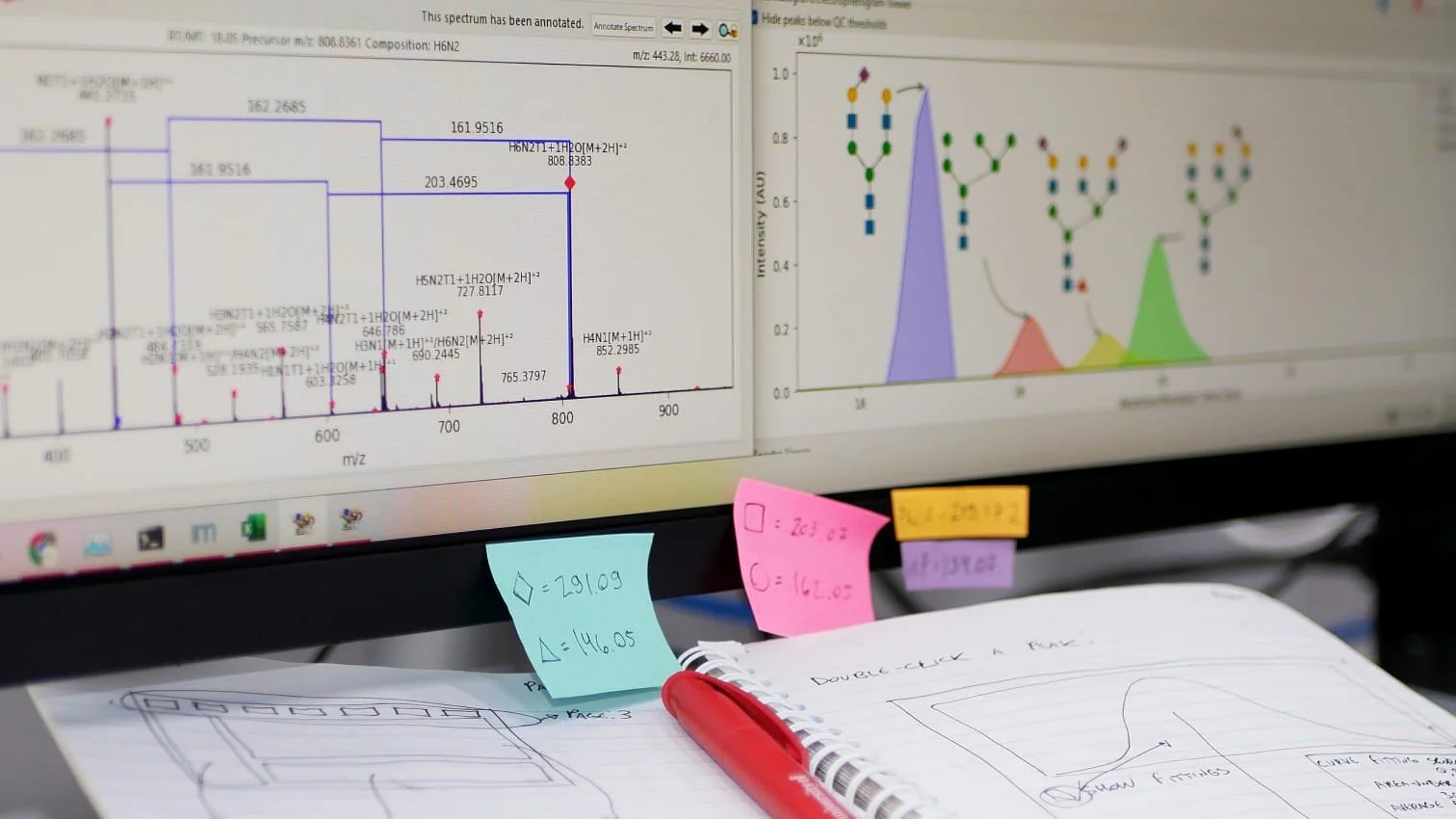
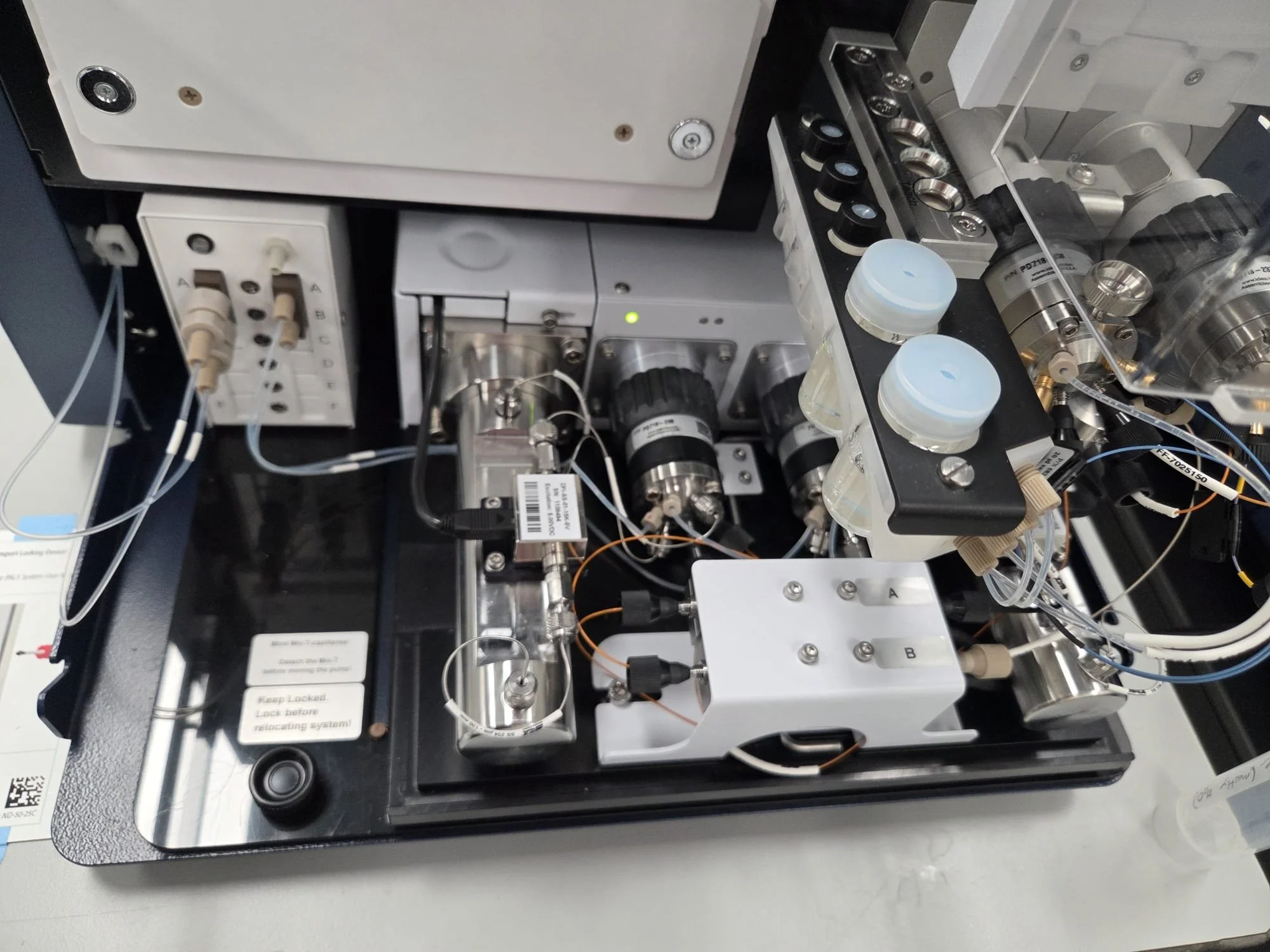
Our main expertise is the development and utilization of capillary electrophoresis hyphenated with mass spectrometry (CE–MS) platforms, with a strong focus on sheathless interfacing (SCIEX) coupled to high-resolution mass spectrometry (e.g. timsTOF-SCP). Sheathless CE–MS enables very low-flow nano-ESI conditions (<10 nL/min), maximizing sensitivity and making it particularly powerful for glycan and glycoprotein analysis in complex biological contexts.
What this platform enables
High sensitivity from limited material through ultra-low-flow ESI
High-efficiency separations that complement LC–MS for charged/polar analytes (including glycans)
Robust, interpretable workflows when paired with fit-for-purpose sample prep and QC
Our platform development is exemplified by our Nature Communications study demonstrating high-sensitivity CE–ESI–MS analysis of N-glycans using a sheathless interface.
We select CE–MS, MALDI-TOF-MS, or mass spectrometry imaging (MSI)-enabled strategies based on the biological question, sample type, and required structural depth.
Analytical Platforms
Software & Data Integration
Modern glyco(proteo)mics produces rich datasets—valuable, but often bottlenecked by manual processing and fragmented tooling. We address this with software development and integration strategies that make analysis scalable, reproducible, and interpretable.
We develop GlycoGenius (GG), an open-source tool designed to streamline high-throughput glycomics data analysis for LC/CE–MS(/MS), reducing manual workload and helping transform raw data into structured results.
Data integration for biological meaning
Across projects, we emphasize:
Reproducible processing and QC (so results are comparable across batches and studies)
Clear metadata + study design alignment (so biological conclusions are defensible)
Interpretation-ready outputs (tables, annotations, and reports tailored to the question)
Biomarker Discovery
Biomarkers matter because they can move decisions earlier, improve specificity, and make disease biology measurable, supporting better diagnostics, stratification, and mechanistic understanding.
Why glycosylation is powerful for biomarkers
Glycosylation changes can reflect pathway activity, cellular state, and disease-relevant remodeling. That means glycan- and glycoproteoform-level readouts can add orthogonal specificity beyond abundance-only measurements, especially in heterogeneous diseases. Oncology is a major focus for us, however we also pursue biomarker questions in other disease settings where glycosylation is biologically informative.
Key application areas
Oncology (key focus): biomarker discovery, disease biology, and translational readouts
Immune-related biology: changes relevant to recognition and response
Inflammation and systemic disease processes where glycosylation tracks biology
Method-enabled discovery: when existing assays miss biologically meaningful variation
What a biomarker project looks like with us
Define the question (clinical/biological endpoint, confounders, study design)
Select the right readout (glycomics vs glycoproteomics vs targeted protein-of-interest)
Generate robust data (QC strategy aligned to sample type and scale)
Interpretation & next steps (candidate features, biological interpretation, and validation pathway)
Interested in collaboration or requesting measurements?