
Join the SUGAR Lab
Curious about glycobiology, biomarker discovery, and ultrasensitive analytical methods? We offer thesis, internship, and PhD opportunities at the interface of chemistry, biology, and mass spectrometry, with a strong focus on developing and applying high-sensitivity glyco(proteo)mics workflows.
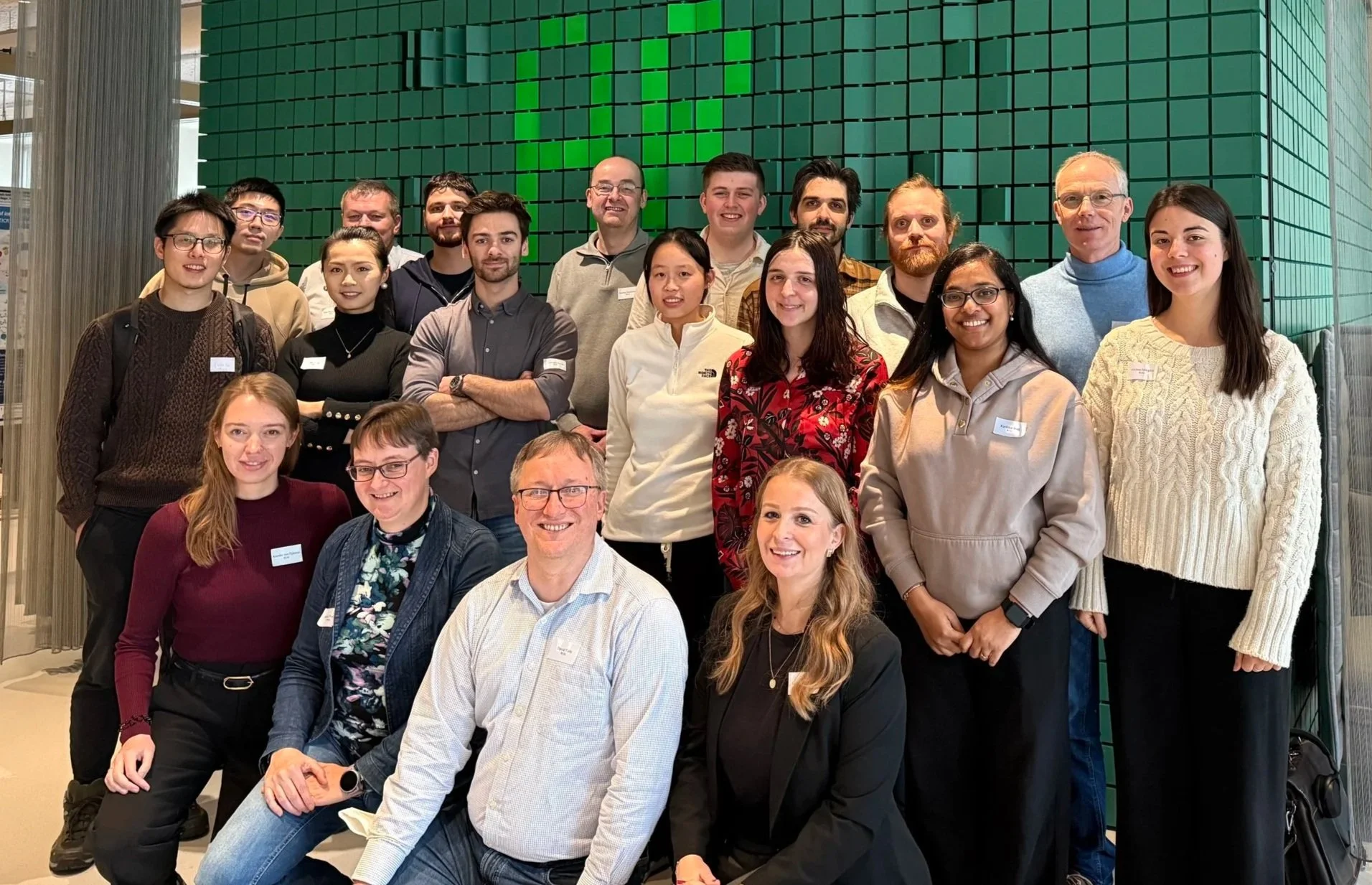
Where we are based
The SUGAR Lab is part of the Analytical Biochemistry (AB) group within the Groningen Research Institute of Pharmacy (GRIP) at the Faculty of Science and Engineering, University of Groningen. In this environment, we connect analytical chemistry with biomedical questions, biomarker discovery, and data-driven interpretation. Learn more on the AB group.

At the Lageveen-Kammeijer SUGAR Lab, projects span method development and application-driven studies. You might work on:
Single-cell glycomics (current focus): pushing sensitivity to capture glycan signatures from very limited material and heterogeneous cell populations
Protein-of-interest assays: targeted glycoproteomics workflows that connect glycoforms to biology and biomarker questions (e.g., PSA/PAP/CEA examples)
Biological and clinical samples: from cell culture to biofluids and tissue-derived material, always with careful attention to study design and interpretability
Software & data interpretation: reproducible analysis pipelines and tools (including GlycoGenius) to turn complex datasets into clear conclusions
What you will work on
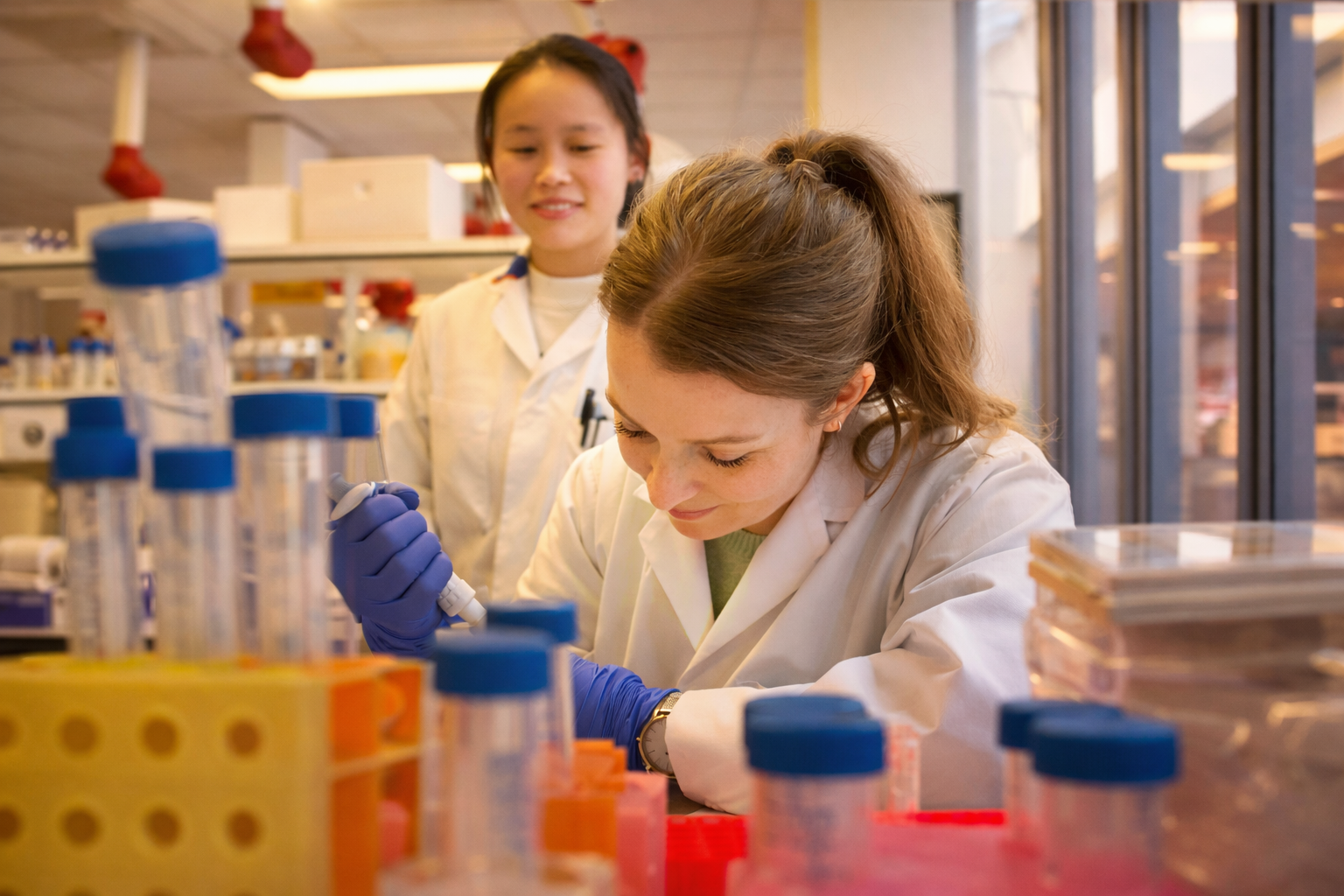
You’ll learn how to do rigorous, reproducible science—while building confidence and independence.
What we support
Hands-on training in sample preparation, enrichment strategies, and glyco(proteo)mics workflows
Working with capillary electrophoresis–mass spectrometry (CE–MS) and complementary MS methods where appropriate
Practical skills in experimental design, QC, data interpretation, and scientific writing
Presenting your work (group meetings, lab updates, posters/talks when possible)
Training and Mentorship
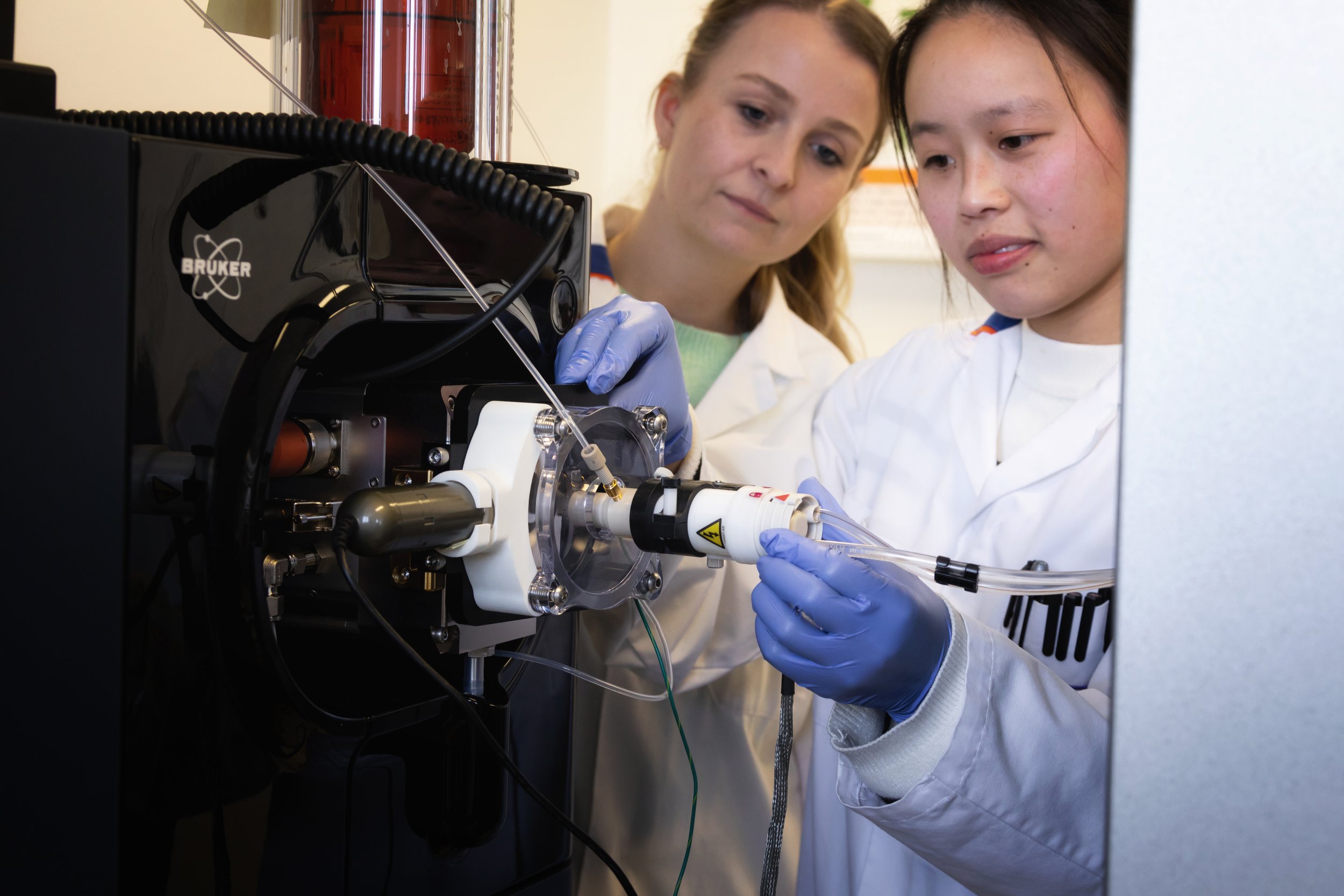
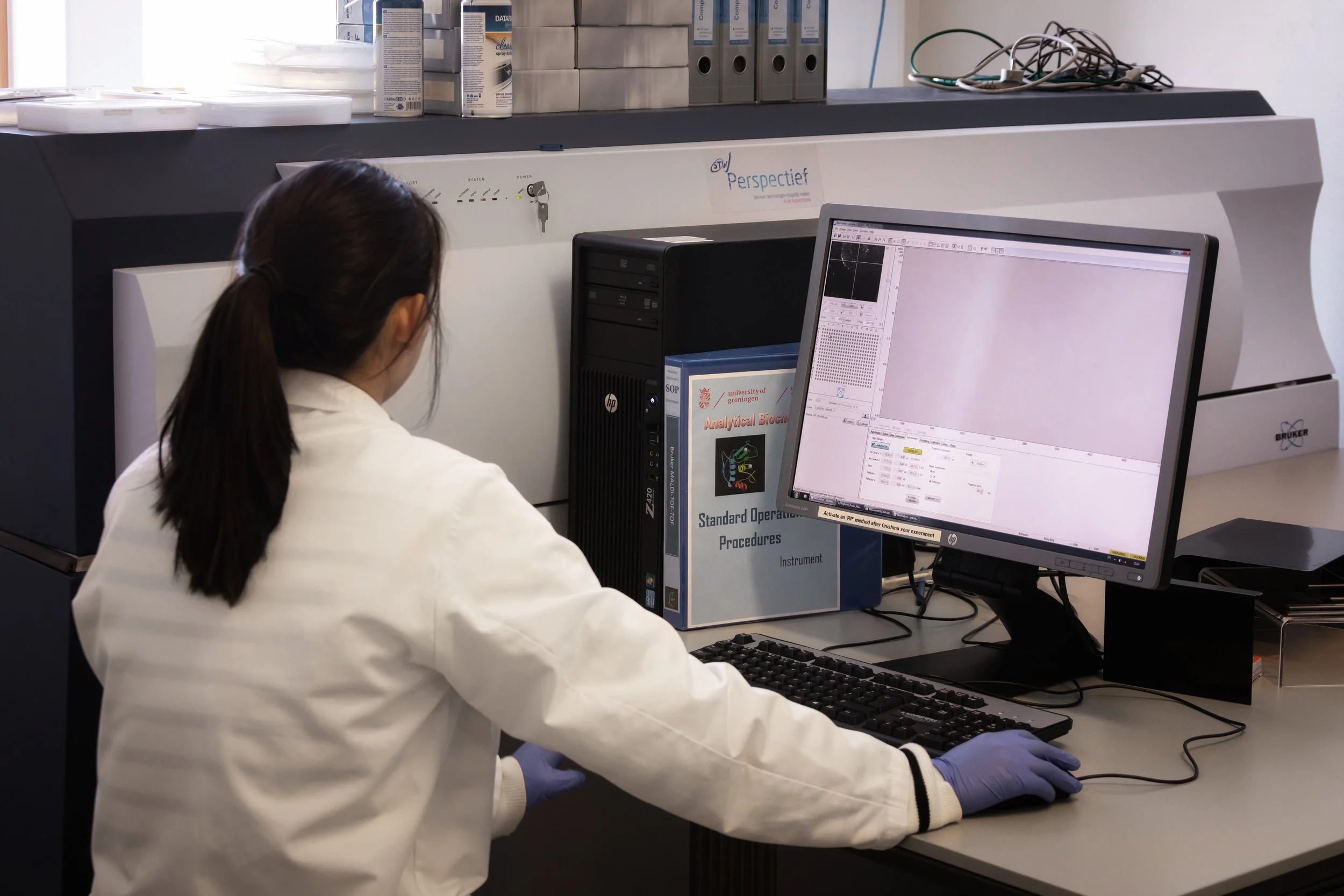
We want the lab to be a place where people can do ambitious science and feel supported while doing it. We value curiosity, kindness, open communication, and good teamwork, and we take mentoring seriously. We also enjoy sharing science beyond the lab through teaching and outreach, from students to the broader public.
Lab Culture
Who we are looking for
We welcome students and researchers from diverse backgrounds. You don’t need to tick every box—motivation and curiosity matter.
You might be a good fit if you are interested in
Analytical chemistry, bioanalysis, mass spectrometry, separation techniques (CE/LC)
Glycobiology, glycoproteomics, biomarker discovery, or translational research
Data analysis and computational thinking (R/Python welcomed, not required)
Helpful qualities
Careful experimental work and documentation
Willingness to learn and ask questions
Enjoy working in a collaborative environment
Current Opportunities
Thesis & internship projects (BSc/MSc)
We regularly host thesis and internship projects in the field of bioanalysis and glyco(proteo)mics. Typical durations are flexible depending on your program.
PhD / Postdoc opportunities
Positions depend on funding and open calls. We currently do not have any open positions but if you are interested, send a short message with your background and interests, we are happy to discuss how your interests aligns with us and what potential funding routes there are to explore
Examples of project themes
Developing higher-sensitivity workflows for glycomics or glycopeptides
Assessing glycosylation changes across cell models or biological sample types
Building reproducible data processing/reporting pipelines
Not sure where you fit?
If you are curious but unsure what a project could look like, send a message anyway. Tell us what you like (wet lab, instruments, data, biology), and we’ll suggest a direction.
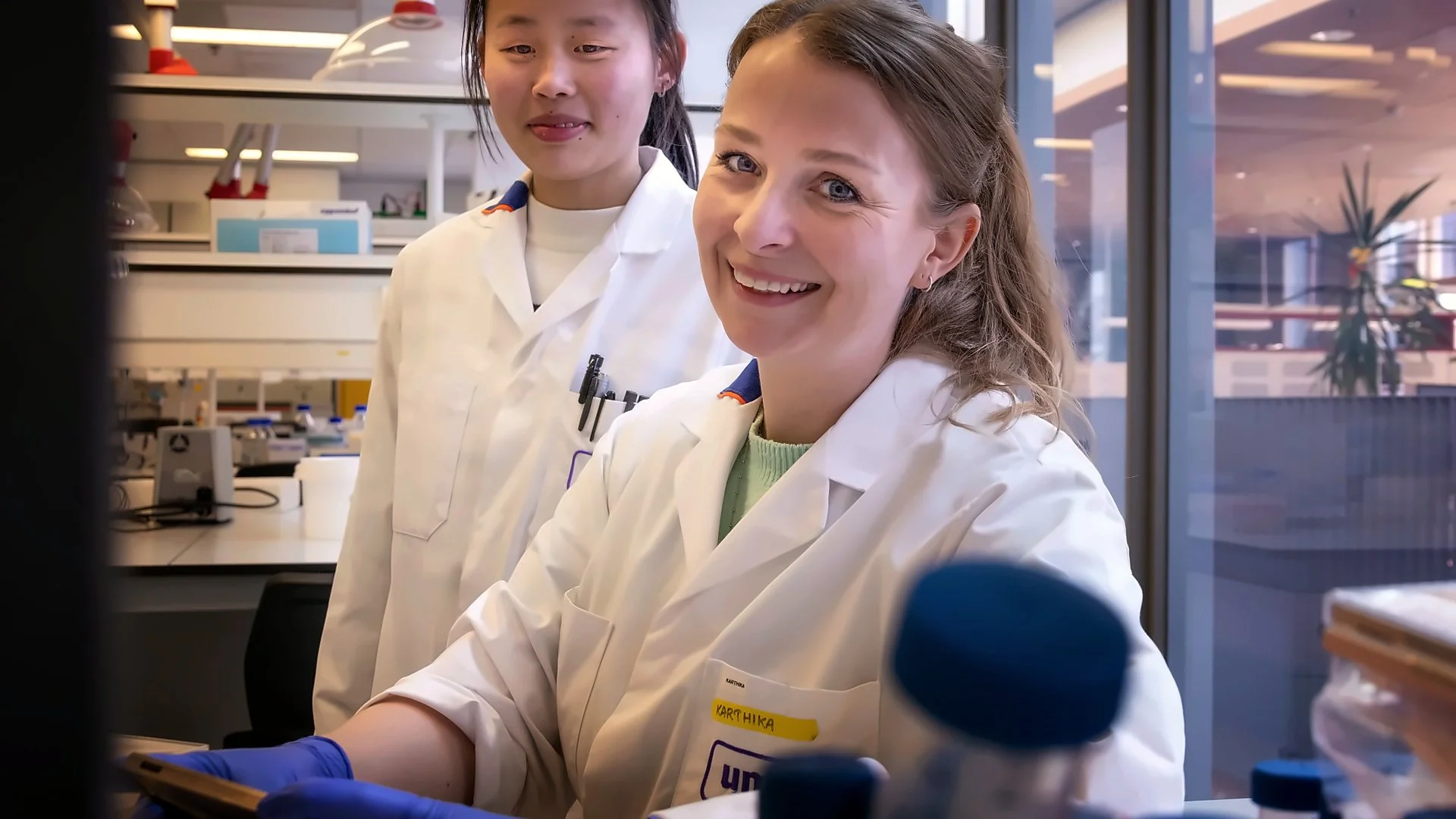
Let’s explore the glycostory together
To express interest, email g.s.m.kammeijer@rug.nl with:
Your CV (PDF)
A short note (5–10 lines) describing:
What type of position you are looking for (internship / thesis / PhD / postdoc)
Your background (study program, key techniques)
What topics excite you (single-cell, CE–MS, biomarkers, glycoproteomics, software, etc.)
Your preferred start date and duration (if applicable)