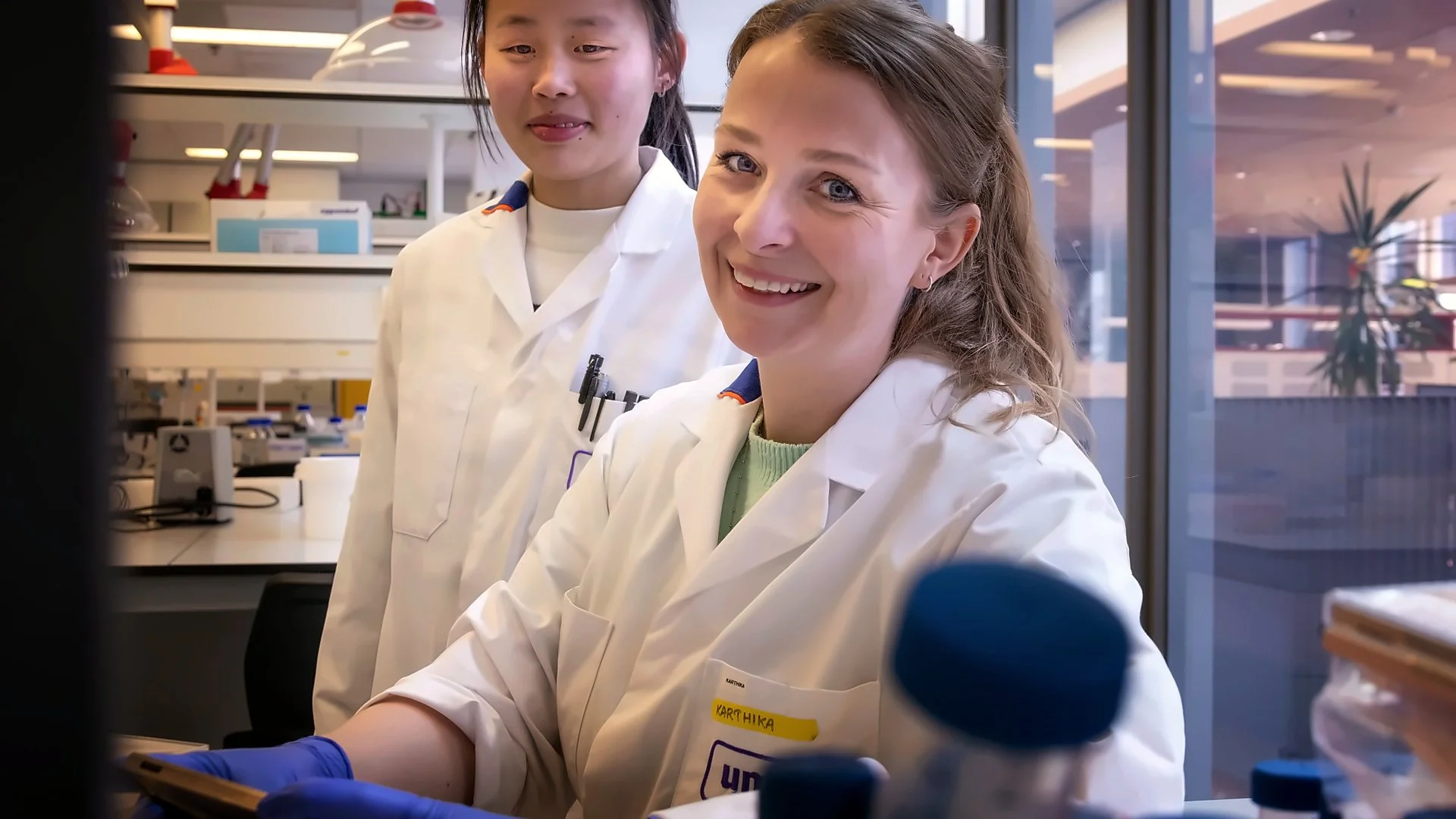
Collaborate with the SUGAR lab
We partner with biologists, clinicians, and method developers to measure glycosylation with exceptional sensitivity, turning glyco(proteo)mics detail into interpretable biology and biomarker-ready readouts.
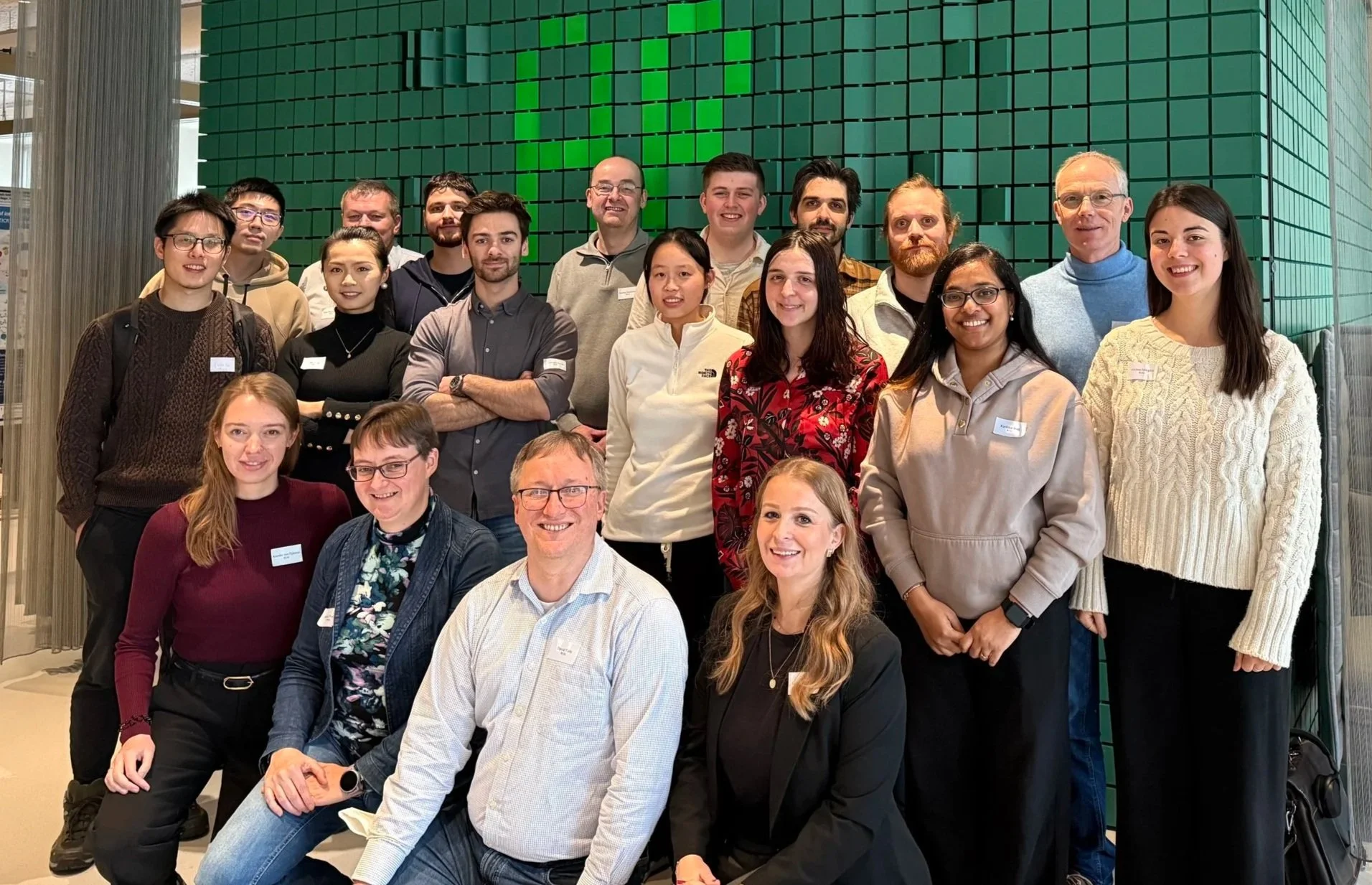
What a collaboration looks like with us
Collaborations work best when analytical strategy and biological question are designed together. We typically combine high-sensitivity separation–MS workflows (especially CE–MS) with fit-for-purpose sample preparation and reproducible analysis. Projects can be exploratory (discovery/feasibility) or targeted (assay development/verification), and may include shared supervision of students or joint funding applications.
High-sensitivity glyco(proteo)mics
We develop and apply workflows for limited material and complex matrices, enabling measurements that bulk approaches often miss, especially when heterogeneity matters.
We build targeted workflows to connect glycoforms to biology, including protein-specific enrichment and site-resolved readouts (e.g., PSA/PAP/CEA-style studies).
We work across sample types, from cell culture to biofluids and (when appropriate) tissue-derived material, always with careful QC and interpretation.
Software & interpretation
We support projects with scalable, reproducible analysis (including GlycoGenius) so results remain comparable and usable across studies.
Where we add value
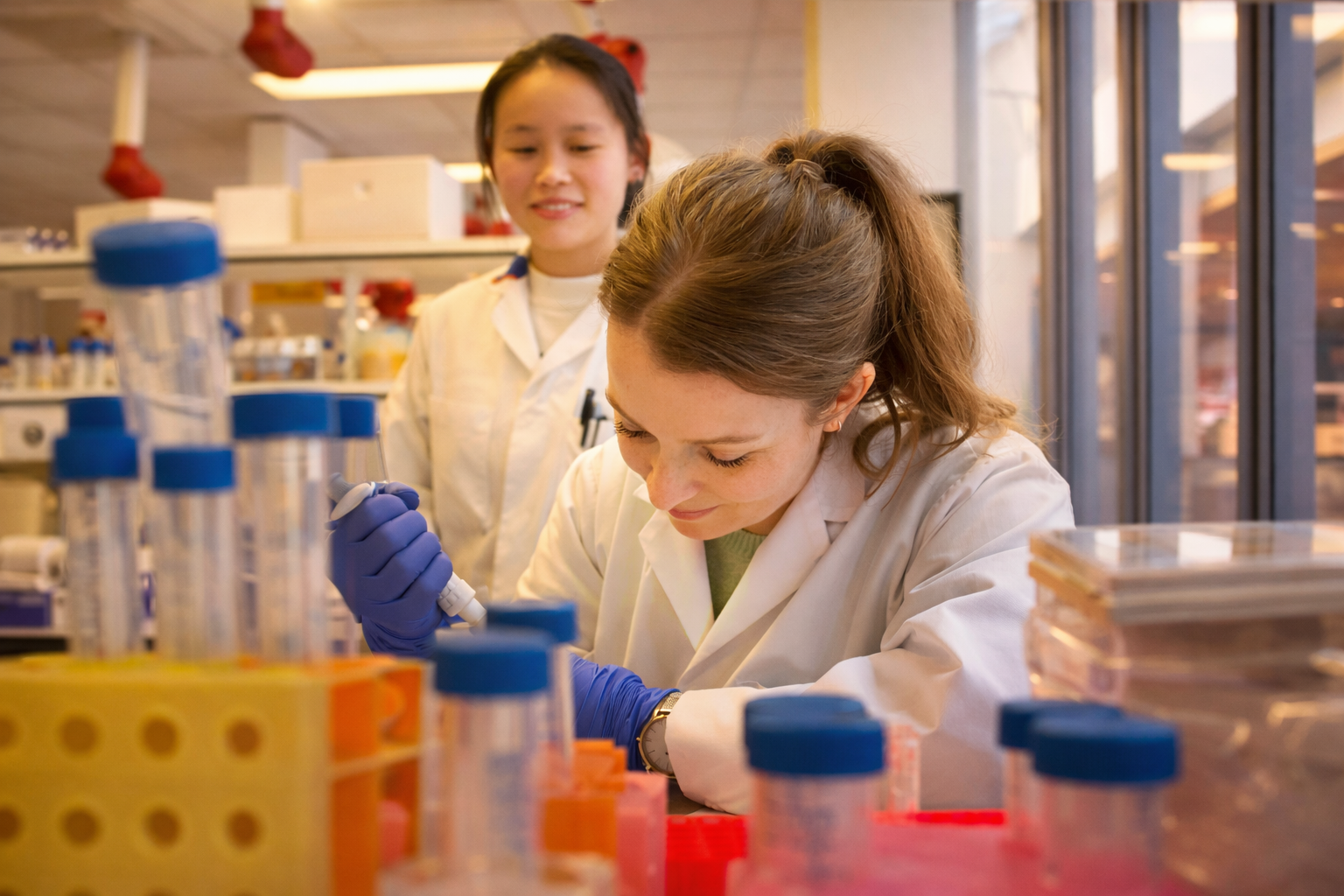
Bring the biological question; we will help shape the analytical route.
Typical project types
Biomarker discovery / translation: oncology is a key focus; other disease areas welcome
Glycoform and proteoform heterogeneity: site-specific mapping, occupancy, structural features
Method-enabled biology: when existing assays lack sensitivity or specificity
Multi-layer readouts: integration across glycan classes where it strengthens conclusions
Let’s collaborate
How we start
A short intake conversation
Your question, sample type, cohort/scale, and timeline.Choose the right readout
Glycomics vs glycoproteomics vs targeted protein-of-interest assays; which platform fits the sample and biological aim.Agree on deliverables
QC approach, reporting format, milestones, and next-step plan (e.g., follow-up targeted assay, validation, or publication strategy).
What we need from collaborators
To make the work efficient and interpretable, we usually ask for:
A clear biological/clinical question and key comparisons
Sample information (matrix, volume/amount, storage, freeze–thaw, metadata)
Practical constraints (timeline, number of samples, budget/funding route)
Preferred collaboration model (joint project, shared student, grant application, etc.)
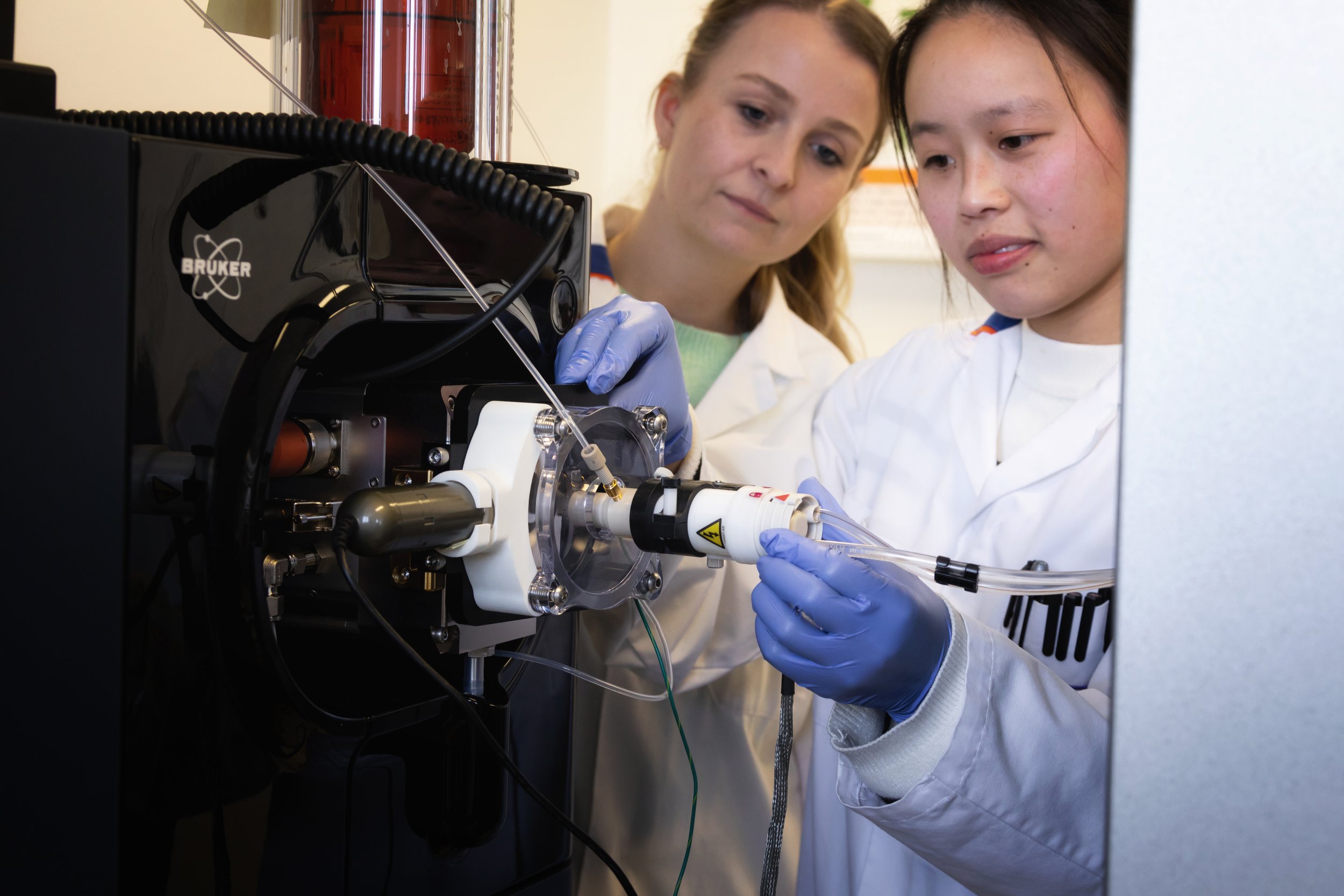
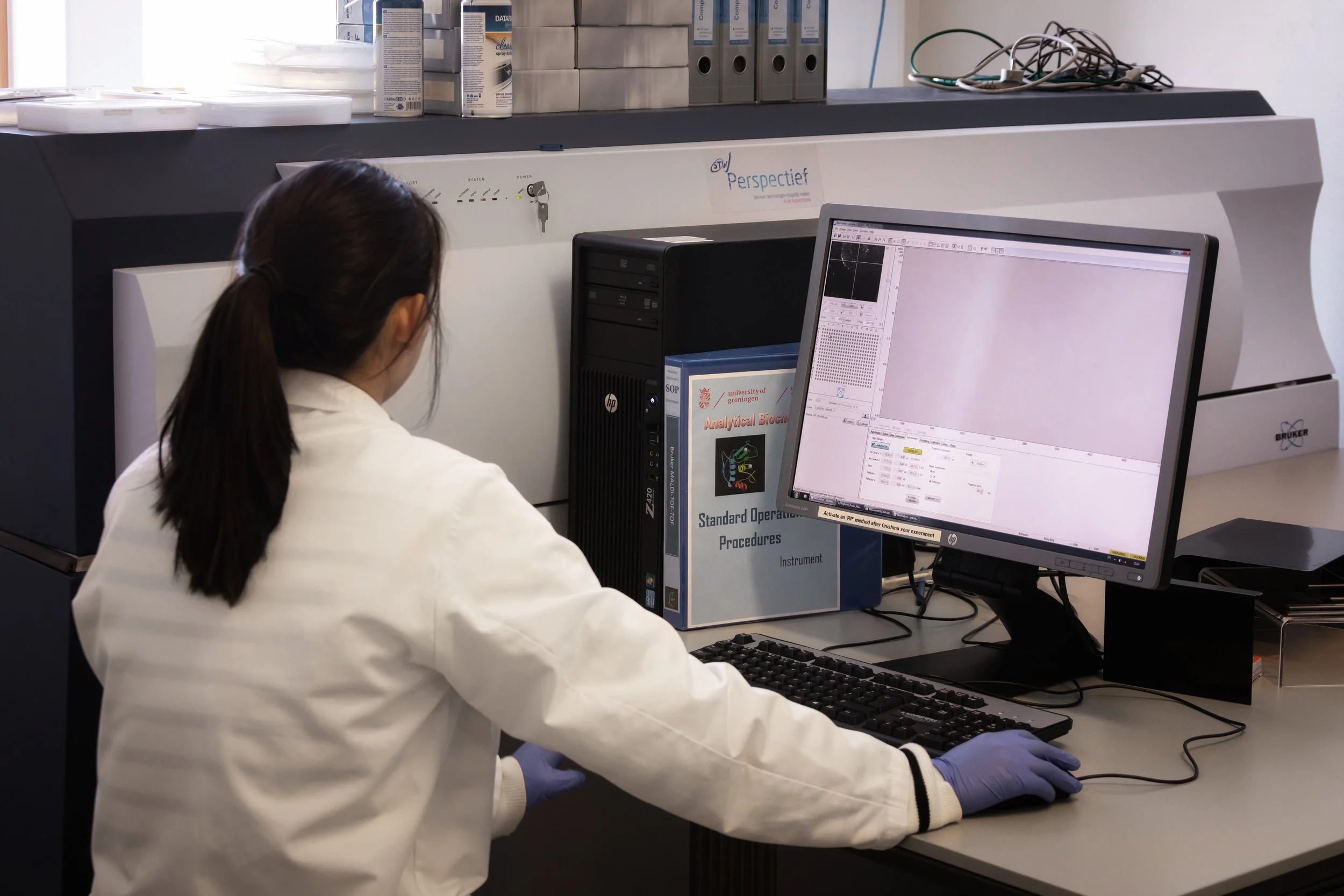
Scientific collaboration
Joint study design, shared interpretation, and publication-focused outputs.Co-supervision & training
Projects involving BSc/MSc/PhD students, often bridging method development and application.Grant-building collaborations
We are happy to discuss consortium ideas and contribute platform, expertise, and track record.(For measurement-only requests with defined deliverables, see “Request measurements”.)
Collaboration models
Interested in working together?
Send a short message with (i) your question, (ii) sample type, (iii) approximate number of samples, and (iv) timeline. We’ll reply with a suggested workflow and next steps or use the intake form below.
Let’s talk