Unlocking the
Secrets of Glycosylation
The Lageveen-Kammeijer SUGAR Lab develops and applies high-sensitivity glycomics and glycoproteomics to study biological heterogeneity and discover biomarkers, spanning cell analysis, complex biological samples, and among others, oncology-focused translational research.
What we do
Welcome to our scientific research laboratory, where curiosity meets discovery. We are committed to advancing knowledge and innovation, and we invite you to explore new frontiers in science with us.
We specialize in high-sensitivity glycomics and glyco(proteo)mics to map how glycosylation varies across cells, biological samples, and disease states. Our core expertise lies in capillary electrophoresis (CE) hyphenated with mass spectrometry (MS) method development, supported by targeted protein assays and reproducible data analysis using tools such as GlycoGenius. We collaborate with research teams and provide measurement services for projects that require sensitive, interpretable glycosylation readouts.
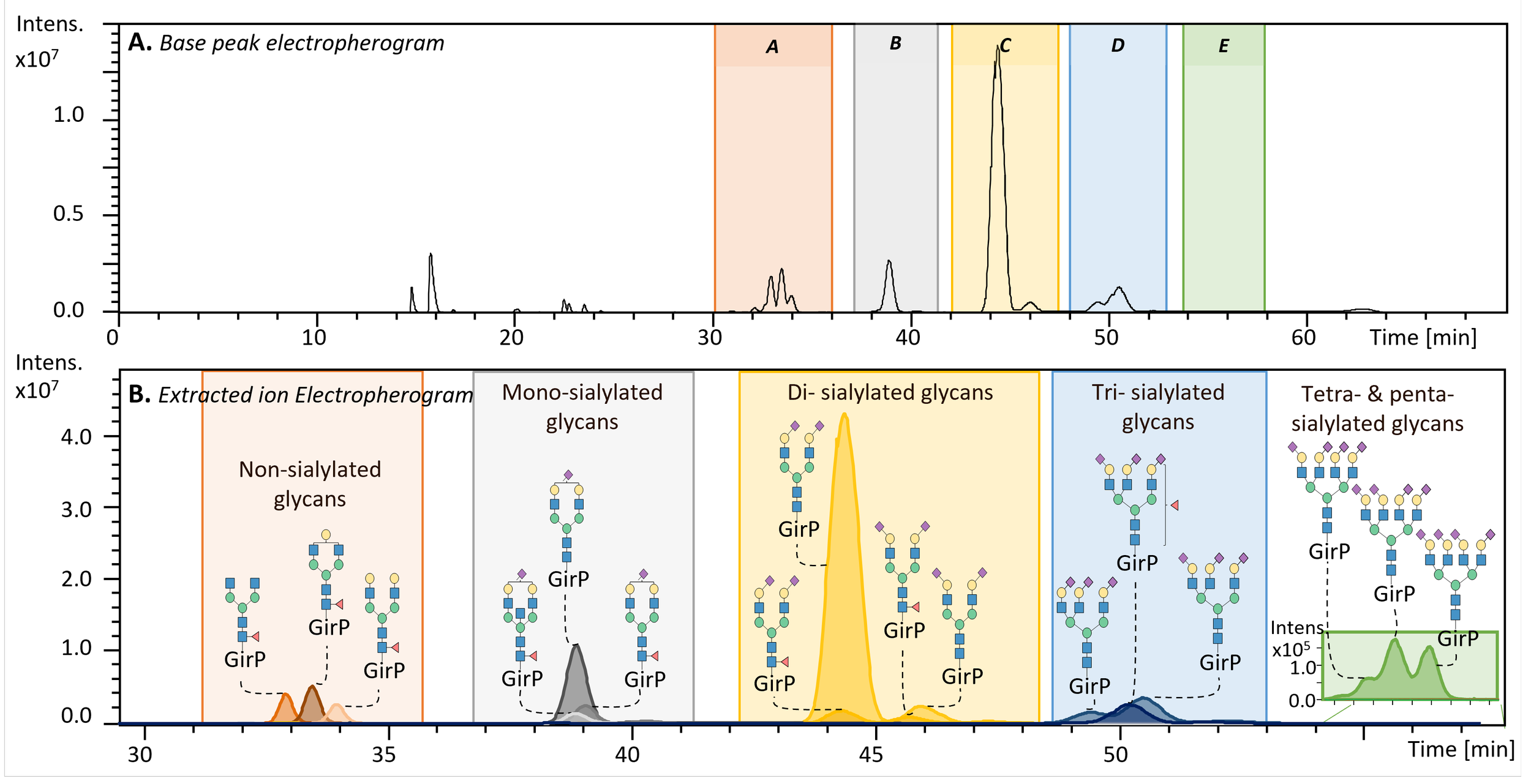
We profile glycans across biological systems, from cultured cells to clinical and biobank samples, capturing molecular variation that can matter for function and disease.
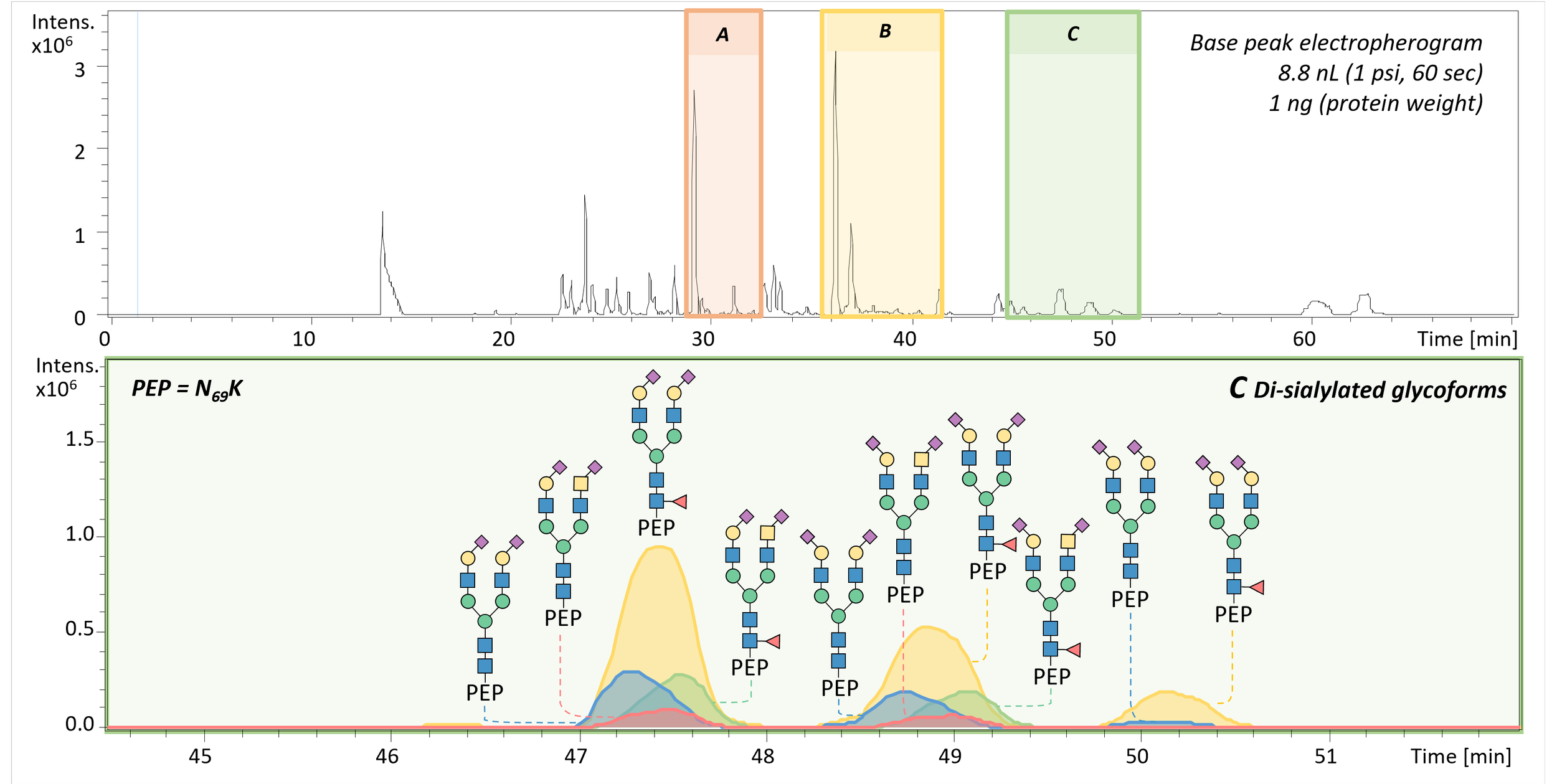
We develop workflows for proteins of interest (e.g., PSA and other cancer-relevant antigens) and translate glycosylation signatures into actionable biomarker readouts.
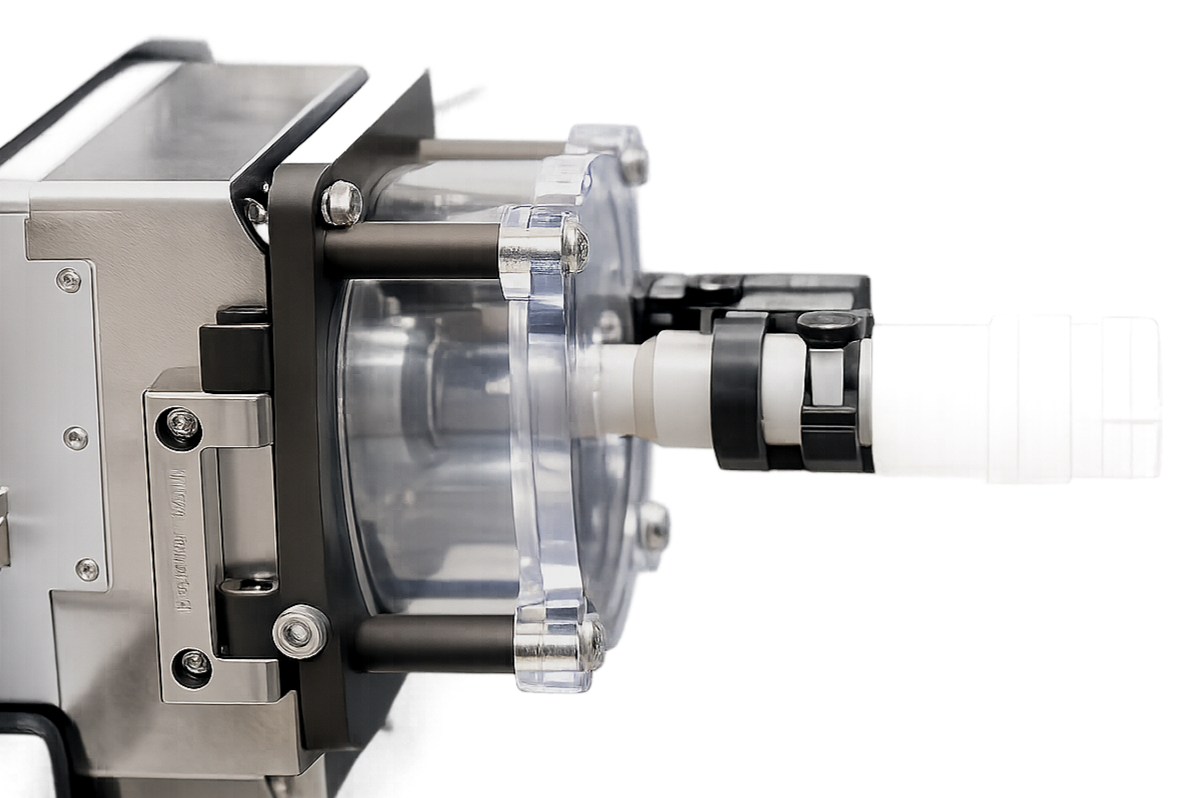
We push analytical sensitivity using capillary electrophoresis–mass spectrometry (CE–MS), tailored sample preparation, and data analysis strategies designed for challenging, volume-restricted samples.

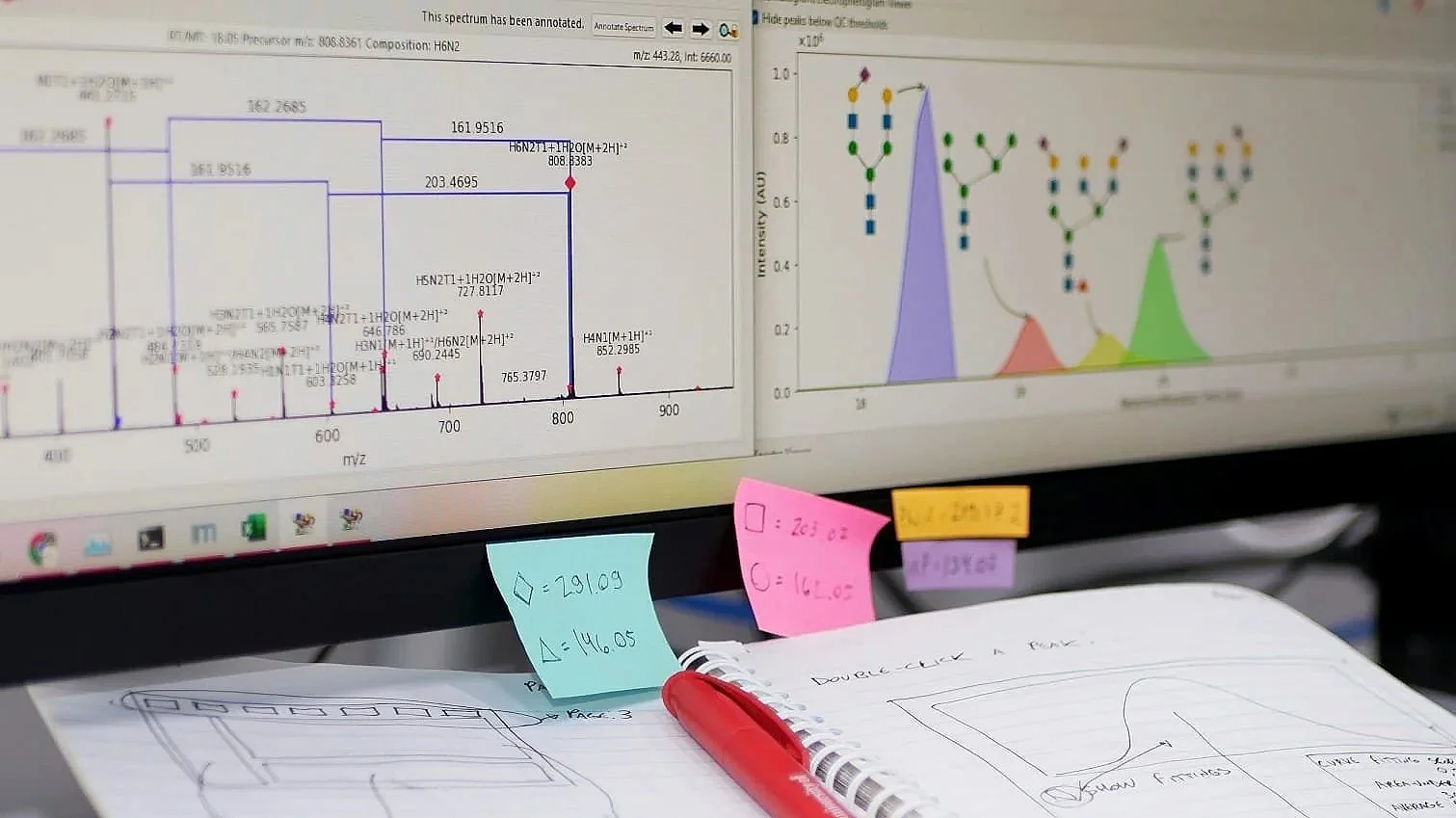
We developed GlycoGenius to enable scalable, reproducible glyco(proteo)mics data processing and interpretation, turning complex measurements into actionable insights.
Together, these pillars let us connect molecular detail to biological meaning, where bulk averages fall short.
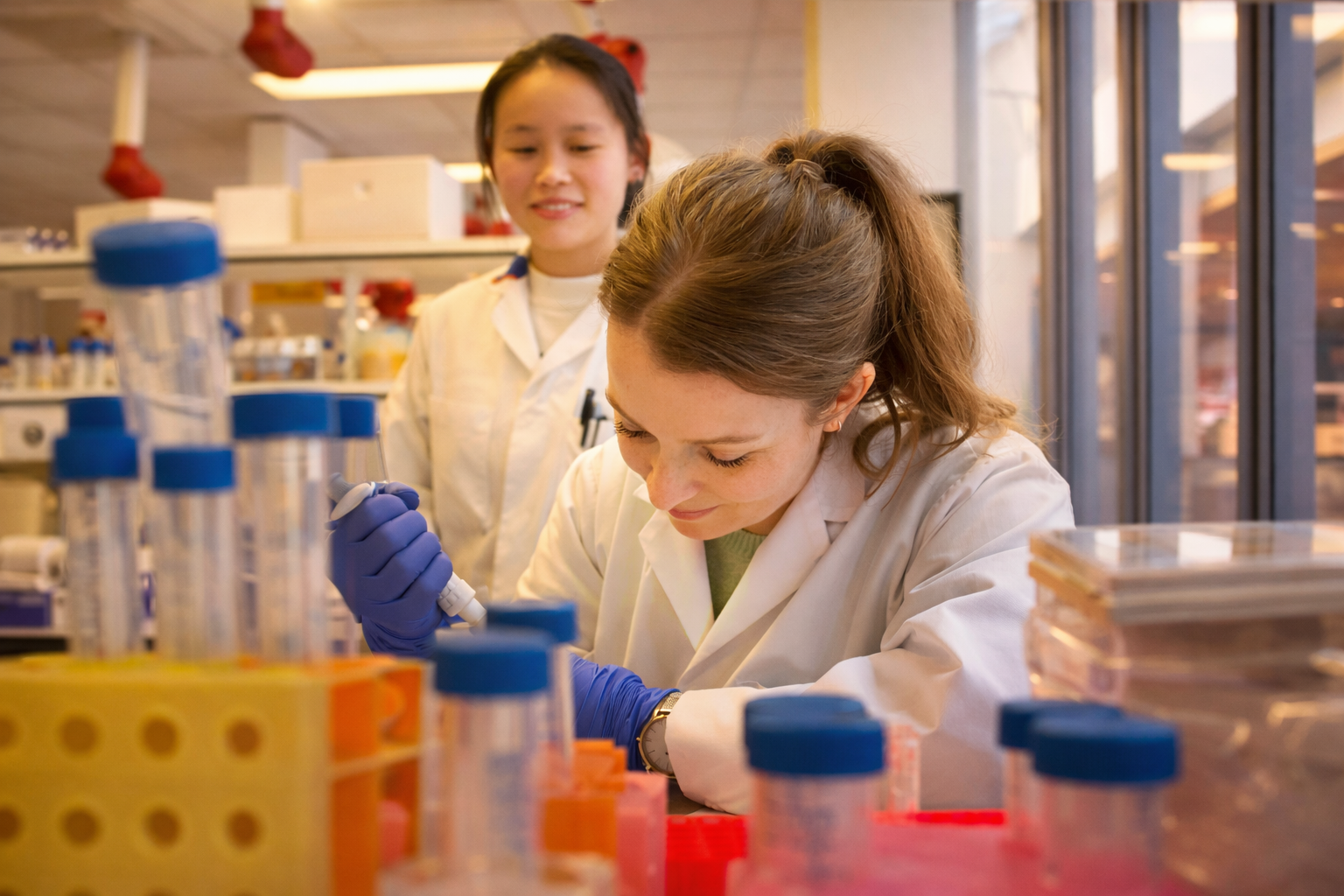
We combine platform innovation, biological breadth, and scalable analysis to turn glycosylation into interpretable, actionable readouts.
What makes SUGAR lab different
High sensitivity by design
We build workflows for when material is limited and biology is complex; optimizing enrichment, labeling, separations, and MS acquisition to push detection limits. This enables robust glyco(proteo)mics from challenging sample types where bulk approaches lose the signal. A current focus is establishing single-cell glycomics, so we can resolve heterogeneity that bulk measurements obscure.
Interdisciplinary approach
Glycosylation sits at the intersection of chemistry, biology, and medicine. We work closely with clinicians, biologists, and computational partners to align analytical readouts with real biological and clinical questions, so the data are not only high-quality, but also interpretable and useful.
From method to biology
We do not develop methods in isolation. Our assays are shaped by the biological question, linking glycoforms and proteoforms to cell state, disease mechanisms, and biomarker potential. Oncology is a major focus, alongside other disease areas where glycosylation provides meaningful diagnostic and mechanistic insight.
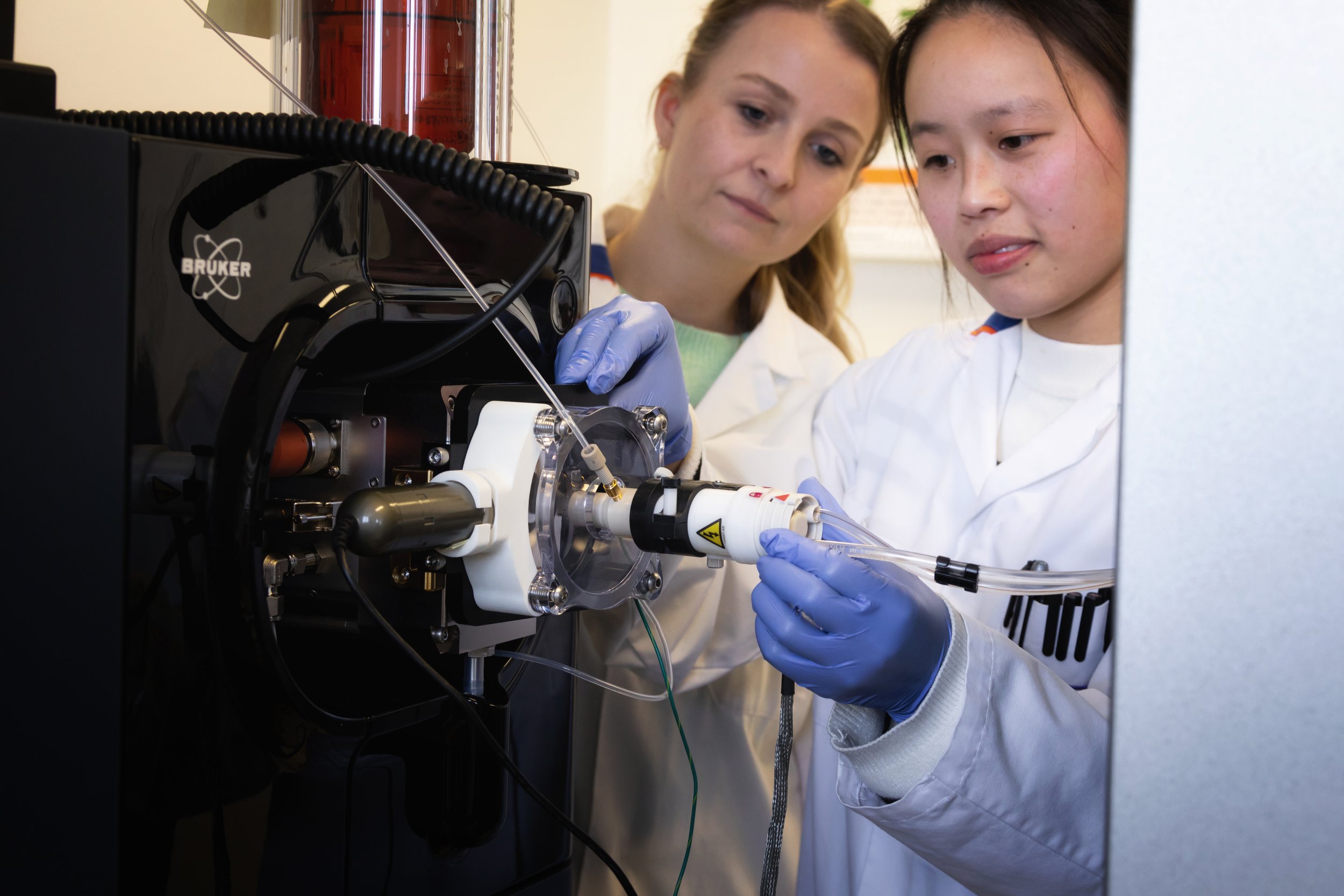
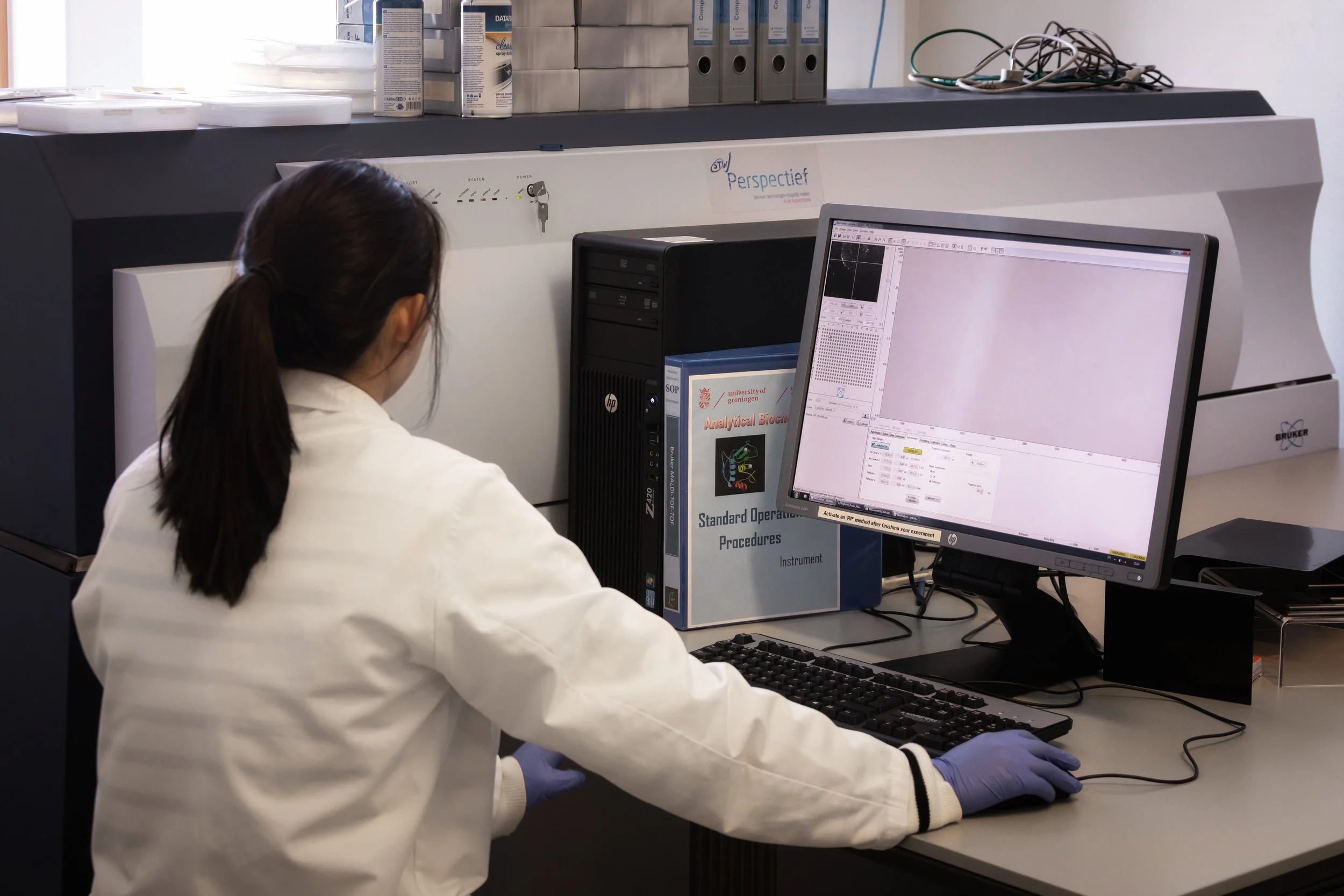
Let’s decode glycosylation together
We develop ultrasensitive methods and we share them, through collaborations, services, and training the next generation of scientists
Join the team
We welcome motivated BSc/MSc students , PhD candidates and Postdoctoral fellows who want to learn (more on) bioanalysis, mass spectrometry, and glycobiology in a supportive environment. Projects typically combine hands-on wet lab work (sample prep, enrichment, separations) with data interpretation, so you build skills that translate across academia and industry.
For collaborators
Want to profile glycosylation in cells, biofluids, or tissues, or develop a targeted assay for a protein of interest? We work via collaborations and can also support projects via a fee-for-service model. Our aim is to deliver results that are not only sensitive, but also biologically interpretable.
Featured work
From platform development to real biological questions, our featured work shows what becomes possible when glycosylation can be measured with exceptional sensitivity. We showcase workflows for complex samples and limited material, targeted protein-of-interest assays for biomarker discovery, and software that makes glyco(proteo)mics scalable and reproducible.